
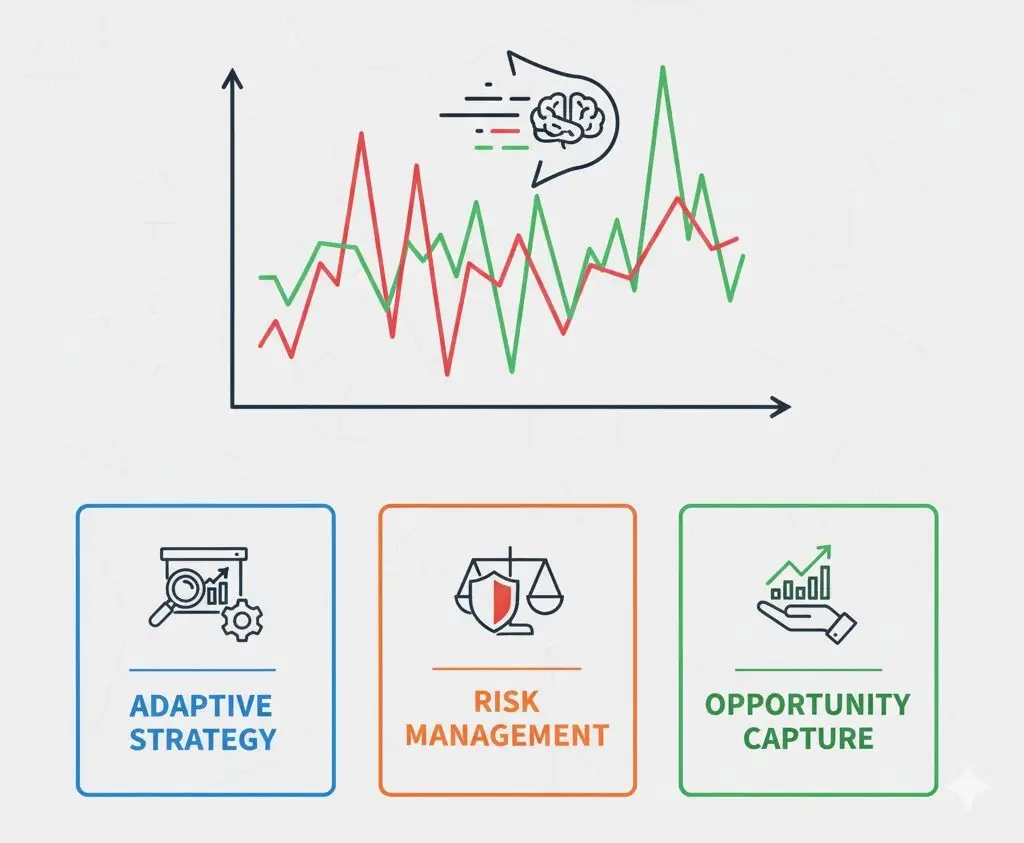
Remember that time last year when the market was swinging like a pendulum in a storm? My friend Rahul from Delhi had his portfolio all set with a nice mix of stocks and bonds, but when the volatility hit, everything went haywire. He was up one day, down the next, and stressing over whether to sell or hold. That’s when he started looking into dynamic allocation—basically adjusting his investments as the market changes, instead of sticking to a fixed plan. It saved him from big losses and even helped grab some gains during the dips. If you’re like most of us, watching the Sensex bounce around while sipping your morning chai, wondering how to keep your savings safe, this approach might be what you need.
In our daily hustle, dealing with job pressures, family needs, and unexpected expenses, the last thing you want is your investments adding more tension. Volatile markets are like Mumbai traffic—unpredictable and full of surprises. But with dynamic allocation, you can shift gears smoothly, moving money between stocks, bonds, or other assets based on what’s happening. It’s not about predicting the future but responding smartly to the present. We’ll walk through how this works, tips for shifting assets, and a real case where it made a difference. Think of it as having a flexible plan that bends but doesn’t break, helping your money grow steadily even when things get rough.
Market Reality Check
With market swings hitting 20-30% in bad years, a fixed allocation can hurt your returns. Dynamic shifts can protect capital and capture upsides, potentially adding 2-3% extra yearly growth.
What Dynamic Allocation Really Means in Tough Times
The Basics of Shifting Assets
Dynamic allocation is like adjusting your umbrella during rain— you change based on the weather. Instead of keeping a fixed percentage in stocks or bonds, you move money around depending on market signals. In India, where economic news, global events, or even budget announcements can shake things up, this flexibility helps protect your savings while aiming for growth.
Why Markets Get Volatile and How It Affects You
Volatility is when prices jump up and down quickly, like during the 2020 crash or recent inflation worries. It can wipe out gains if you’re too heavy in stocks, or miss opportunities if too safe in bonds. For everyday investors, it means sleepless nights checking apps, but with dynamic plans, you let the strategy handle the adjustments.
Common Triggers for Shifts
- Market Valuations: When stocks get expensive, shift to bonds.
- Economic Signs: High inflation? Move to safer assets.
- Global Events: Trade wars or pandemics call for quick changes.
Linking to Smart Portfolio Management
This builds on our earlier talk about rebalancing in emerging markets. For official market updates, check the SEBI website.
Key Strategies for Dynamic Allocation
Valuation-Based Shifting
Look at P/E ratios or other metrics. If stocks are overvalued, reduce exposure. It’s like buying veggies when prices are low, not during peaks.
How to Apply It
- Track Nifty P/E—above 25? Cut equity.
- Use tools to monitor.
Real Tip
When P/E hit 30 last year, many shifted to debt, avoiding a dip.
Momentum-Driven Allocation
Follow trends—if stocks are rising, add more. But watch for reversals.
Practical Steps
- Use moving averages to spot trends.
- Combine with dynamic asset allocation planner.
Economic Indicator Approach
Watch GDP, interest rates. High rates? Favor bonds.
Indicators to Follow
- RBI repo rate changes.
- Inflation figures.
Hybrid Methods for Balance
Mix valuation and momentum for better results.
Hybrid Example
Use P/E for long view, trends for short shifts.
Rebalancing: The Core of Dynamic Plans
What Rebalancing Involves
Rebalancing is resetting your mix when it drifts. In volatile times, it’s key to lock gains and buy low.
Types of Rebalancing
- Calendar: Every quarter or year.
- Threshold: When shift exceeds 5-10%.
- Cash Flow: Use new money to adjust.
Case Study: Rahul’s Market Ride
Rahul had 60% equity, 40% debt. During a bull run, equity hit 75%. He rebalanced by selling some stocks, buying bonds. When crash came, his losses were less, and he had cash to buy cheap stocks. Result: 15% better returns than static mix. Use portfolio diversification calculator to simulate.
Lessons from Case
- Regular checks save money.
- Emotional control key.
Asset Shift Tips for Everyday Investors
When to Increase Equity
During dips, when valuations low. Like buying clothes on sale.
Shift Signals
- P/E below average.
- Positive economic news.
When to Boost Debt
In high volatility or rate cuts.
Debt Tips
- Choose duration funds.
- Calculate with FD calculator.
Role of Gold and Alternatives
Add 5-10% gold for hedge.
Alt Options
- REITs for income.
- See REIT guide.
Tax Considerations in Shifts
Frequent shifts trigger taxes. Hold long for LTCG.
Tax Tips
- Use capital gains tax calculator.
- Shift in tax-efficient ways.
Tools and Funds for Dynamic Allocation
Dynamic Funds in India
Funds that auto-shift based on models.
Top Funds
- HDFC Dynamic Asset Allocation.
- ICICI Pru Balanced Advantage.
DIY with Calculators
Use dynamic planner to model shifts.
App Tips
- Track with apps like Groww.
- Set alerts for rebalance.
Pros and Cons of Dynamic Approach
Advantages
Protection in Downturns
- Reduces losses by shifting early.
Better Returns
- Captures upsides in good times.
Peace of Mind
Less stress with auto-adjusts.
Drawbacks
Transaction Costs
- Fees and taxes on shifts.
Timing Risks
- Wrong calls can hurt.
Complexity
Needs monitoring or good fund.
Avoiding Common Mistakes
Over-Shifting
Too many changes eat profits.
Emotional Decisions
Stick to rules, not fear.
Ignoring Costs
Factor taxes in plans.
No Diversification
Spread across assets.
Caution
Dynamic isn’t set-it-forget-it. Review with tax optimizer.
Case Studies from Real Investors
Case 1: Delhi Salaried Worker
Anita used valuation shifts. During high P/E, cut equity 20%, added debt. Saved 15% in crash.
Case 2: Mumbai Business Owner
Vikram in dynamic fund. Auto-shifts gave 10% returns vs 5% static in volatile year.
Case 3: Bengaluru Techie
Sameer mixed momentum and economic signs. Shifted to bonds before rate hike, preserved capital.
Frequently Asked Questions
Q1: How often rebalance?
Quarterly or at thresholds.
Q2: Best for beginners?
Use funds, not DIY.
Q3: Costs involved?
Low in funds, watch taxes.
Q4: Works in all markets?
Best in volatile, but always diversify.
Wrapping Up: Your Path to Steady Growth
Dynamic allocation is like driving with gears—shift as needed for smooth ride. In India’s changing markets, it helps protect and grow your money. Start with a plan, use tools like dynamic planner. For more, see emerging markets rebalancing. Check SEBI for regulations.
Take Action: Try diversification calculator or explore all tools.