
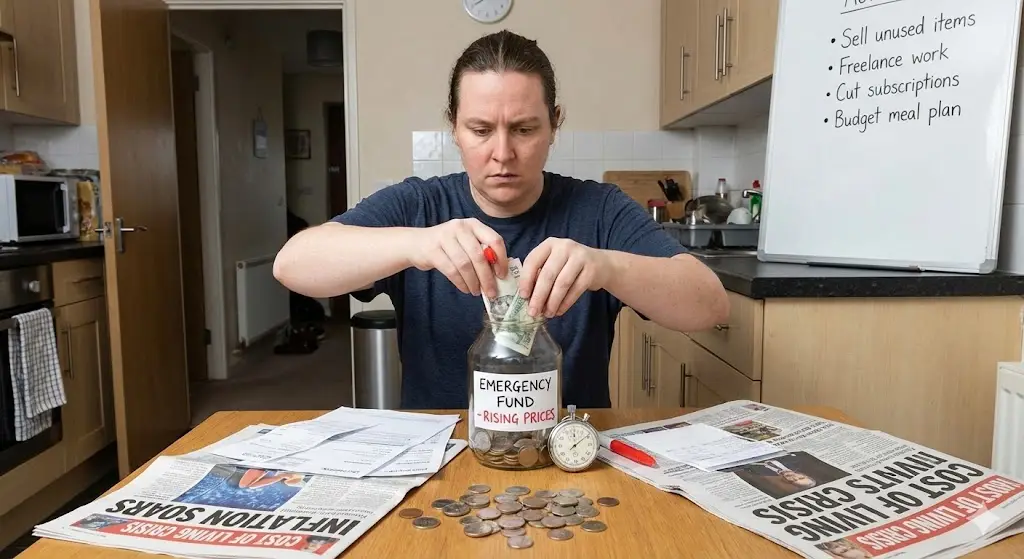
Remember that time when Ravi, a young IT guy from Bangalore, had his bike break down right in the middle of a rainy day? He was on his way to work, and suddenly, bam – repair bills staring at him like an uninvited guest. With prices of everything going up – from auto parts to even a simple cup of chai – he had to dip into his regular savings, which left him scrambling for the month’s rent. Stories like this are common these days, with inflation hovering around 2.07% in August 2025
That’s why having an emergency fund – that little pot of money for rainy days – is like having an umbrella in monsoon. But building it quickly, especially when costs are rising, feels tricky. Don’t worry, though. This chat is all about simple, everyday ways to put together a 3-6 months buffer without feeling the pinch too much. We’ll talk saving hacks, like cutting small leaks in your spends or finding extra income from side hustles, all while keeping an eye on inflation. Think of it as your local bhaiya sharing tips over a game of carrom – practical, easy, and made for folks like us dealing with city life pressures.
In our country, with things like medical emergencies or job shifts happening out of the blue, a good buffer can be a lifesaver. And with inflation making everything costlier – from dal to diesel – starting now can help you stay ahead. We’ll use real-life bits, like how a Mumbai delivery boy saved for his bike repairs or a Chennai homemaker built her fund from kitchen savings. Plus, tools to make it easier. Let’s dive into why this fund matters, then how to build it fast.
Emergency Fund Basics
A good buffer covers 3-6 months of must-spends like rent, groceries, EMIs. For a family spending ₹50,000 monthly, aim ₹1.5-3 lakh. With inflation at 2.07%
Why You Need an Emergency Buffer Now More Than Ever
Life throws curveballs – a sudden doctor visit or AC repair in summer heat. Without a fund, you might borrow from friends or use credit cards, paying extra interest later. But with inflation pushing prices up, those surprises cost more. See the charts showing how costs rise over time
Inflation’s Sneaky Effect on Your Wallet
Inflation is like a slow leak in your tire – you don’t notice till it’s flat. With costs rising, your current spends might increase 5-7% yearly. So, a 3-month buffer today might cover only 2.5 months next year. Building it quick and inflation-proof is key.
How Much Buffer Do You Really Need?
Start with 3 months if single, 6 if family. Calculate your monthly musts – rent, food, bills. Use Emergency Fund Calculator to get exact number. Adjust for inflation using Inflation Calculator.
Personal Factors to Consider
Job stability, health issues, family size – all affect size. Gig workers need more, say 9 months, due to variable pay. See gig worker guide for more.
Day-to-Day Example: Monsoon Mishap
Neha from Pune had roof leak in rains, cost ₹15,000 fix. Her buffer covered it without loan. Without, she’d pay interest, adding to inflation woes.
Psychological Peace
Having buffer is like knowing you have extra fuel in car – less worry on long drives. Reduces stress, better decisions.
Link to Authority
RBI stresses emergency savings for financial health. Check RBI site for tips.
Semantic Ties
Financial resilience, cost escalation protection, unexpected expense cushion, economic uncertainty buffer.
Interlink
Like in inflation-proof retirement, buffer protects short-term.
Buffer is like storing rainwater in barrel for dry days – simple but lifesaving.
Quick Tips to Start Building Your Buffer
Don’t wait for big money – start small, like collecting drops in a bucket.
Assess Your Current Situation
List monthly spends – fixed like rent, variable like eating out. Cut waste to free cash.
Set a Realistic Target
Based on spends, aim 3 months first. Use Financial Goal Calculator.
Open a Separate Account
High-interest savings or liquid fund – easy access, some growth.
Automate Transfers
Set auto-debit after pay hits – out of sight, out of mind.
Amit from Mumbai listed spends ₹40,000 monthly. Targeted ₹1.2 lakh buffer. Saved ₹5,000 auto each month, hit in year.
Interlink to Savings Account Interest Calculator.
Inflation-Adjust Your Target
Add 5-7% yearly to buffer goal. Use Inflation Adjusted Retirement Planner for idea.
Semantic
Fund accumulation acceleration, expense reduction techniques, income augmentation methods.
Outbound
For inflation data, see RBI reports
Link Back
As in emergency guide, start basics.
Like packing lunch to save, small acts build fund.
Saving Hacks to Speed Up Building
Hacks are like shortcuts in city traffic – get you there faster without extra effort.
Cut Daily Leaks
Skip daily chai outside – make at home, save ₹50 daily, ₹1500 monthly.
Shop Smart
Buy groceries in bulk, use apps for discounts. Save 20% on bills.
Energy Saves
Switch off lights, use efficient bulbs – lower bills, more for fund.
Transport Tricks
Carpool or public transport – cut fuel costs half.
Rani from Lucknow cut cable TV, switched to streaming – saved ₹500 monthly for buffer.
Calculate savings with Electricity Bill Calculator.
Side Hustles for Extra
Teach online or sell handmade – add ₹5,000-10,000 monthly.
Declutter Sell
Old clothes, gadgets on OLX – quick cash boost.
Bank Rewards
Use cards with cashback on spends.
Invest Idle Money
Put in liquid funds for 6-7% return while building.
Sameer drove extra shifts, saved ₹8,000 monthly for fund.
See gig guide for more.
Semantic
Expense optimization, income diversification, frugality techniques.
Outbound
For hacks, see MoneyControl tips.
Link
As in gen-z credit, build without debt.
Daily
Hacks like bargaining at market – small savings add up.
Use Fuel Cost Calculator for transport saves.
Inflation-Proof Your Buffer
With prices climbing, your fund needs to grow too, like a plant needing water.
Choose Right Place
Savings account at 3-4%, but liquid funds give 6-7%, beat inflation.
Review Yearly
Add more as costs rise – use Inflation Calculator.
Avoid Low-Yield
Don’t keep in current account – no interest.
Debt for Safety
Pay high-interest debt first, free cash for fund.
Sita from Jaipur added 5% yearly to buffer for inflation, kept purchasing power same.
See inflation-proof retirement.
Semantic
Purchasing power preservation, cost escalation adjustment, fund value maintenance.
Outbound
Inflation charts at Statista
Link
As in emergency guide, adjust for rises.
Daily
Like stocking extra rice when prices hint up.
Use Compound Interest with Inflation.
Maintaining and Using the Fund Wisely
Once built, don’t touch unless real emergency – not for new phone.
What Counts as Emergency
Job loss, medical, home repair – not vacation.
Rebuild After Use
Treat as priority, refill fast.
Review Regularly
Every 6 months, adjust for life changes like marriage.
Example: Businessman’s Use
Vikram used for hospital bill, rebuilt in 3 months with hacks.
Keep separate, avoid temptation.
Interlink to gen-z credit for no-debt life.
Semantic
Fund utilization guidelines, replenishment strategies, periodic assessment.
Outbound
For saving rules, see MoneyControl.
Link
As in fuel optimization, small saves help.
Daily
Fund like family medicine box – use only when needed, restock quick.
See wedding budget for similar planning.
Frequently Asked Questions
Q1: How fast can I build 3 months buffer?
With hacks, 6-12 months if saving 20% income.
Q2: Where to keep fund?
High-interest savings or liquid funds.
Q3: Inflation effect?
Adjust target yearly, choose growing options.
Final Thoughts: Your Path to Financial Peace
Building a buffer is like planting a mango tree – takes effort but gives sweet fruits in tough times. Start with small hacks, like Ravi did after his bike issue, and watch security grow. With inflation around, act now to stay ahead. Use our Emergency Fund Calculator to plan. For more, see inflation retirement guide or all calculators. Official info at RBI.