
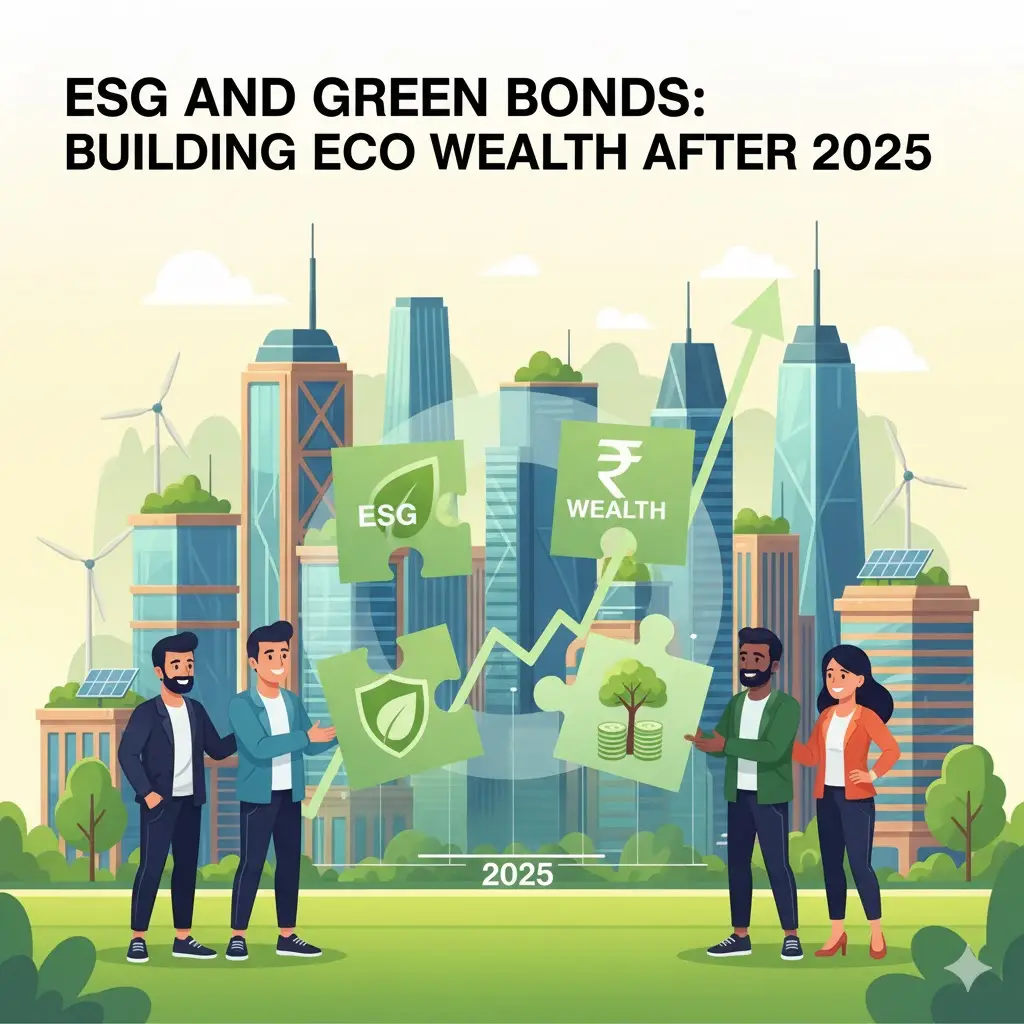
Remember that time when your neighbor uncle ji was talking about how his small investment in a solar project not only gave him steady returns but also helped light up a village nearby? He was all smiles, saying it felt good to see his money doing something for the environment while growing his savings. Like many folks these days, he chose ESG and green bonds after the latest budget made them more appealing with some tax breaks. It’s stories like this that show how putting paisa in eco-friendly ways can build wealth without feeling guilty about the planet. If you’re someone who cares about clean air or saving trees but also wants your savings to work hard, these options might be just what you need.
In daily life, we see the effects of climate change—like hotter summers or more floods—and wonder how our choices can help. Investing in ESG, which looks at environment, social, and governance factors, or green bonds that fund clean projects, lets your money support good causes while aiming for decent returns. Post the 2025 budget, with more focus on sustainable growth, these have become easier to access for regular people. It’s not about big risks; it’s about steady steps that fit your routine, like choosing a fund that plants trees or builds solar panels. We’ll explore how to start, what returns to expect in real situations, and simple examples from everyday investors. Think of it as planting a seed in your garden—takes time, but grows into something valuable, helping both your wallet and the world around you.
Eco Investing Check
With green bonds offering 6-8% returns and ESG funds averaging 12% over years, a 1 lakh investment could grow to 2 lakh in 10 years while supporting clean energy—better than regular savings eating dust in bank.
What ESG and Green Bonds Really Mean for You
The Simple Side of ESG Investing
ESG is like checking a company’s report card on how it treats the environment, people, and runs its business. Environment part looks at things like reducing pollution or using less water, social covers worker rights or community help, and governance is about honest leadership. For you, it means putting money in places that do good, so your savings align with values like clean rivers or fair jobs. In India, after the budget push for green growth, more funds focus on this, making it easy to join without much hassle.
Green Bonds Explained Easy
Green bonds are loans you give to projects that help the planet, like solar farms or clean transport. Government or companies issue them, and you get back principal with interest. It’s safe because backed by big names, and the money goes to eco work, so you feel part of the solution. Post 2025 budget, with tax perks for such investments, it’s like getting a bonus for doing right.
Why They Fit Daily Life
- Peace of Mind: Know your paisa helps reduce carbon or build parks.
- Steady Flow: Bonds give fixed returns, like regular kiraya from property.
- Future Ready: With climate issues growing, these investments hold value longer.
Connecting to Smart Saving
This links to our chat on sustainable real estate in tier-2 cities where eco choices save money too. For more on green finance, check the SEBI website for rules.
Investing in ESG: Steps for Regular Folks
Start with What You Have
You don’t need lakhs to begin; many ESG funds let you start with 500 rupees through SIP. It’s like adding a little each month to a jar, but the jar grows with market. Look for funds that match your comfort—like ones focused on clean energy if you care about pollution.
Choosing the Right Fund
- Check past returns, but remember they’re not promise for future.
- See fees—lower is better, like choosing cheap veggies at market.
- Use mutual fund returns calculator to see potential.
Example: Priya’s ESG Start
Priya, a teacher in Pune, started with 1,000 monthly SIP in an ESG fund after seeing budget news on TV. In 2 years, at 12% average return, she has 28,000 extra, which she plans for a family trip to a hill station. It feels good knowing her money supports companies that reduce waste.
Building a Mix Portfolio
Don’t put all in one; mix ESG stocks, bonds, and maybe some regular for balance. It’s like having rice, dal, and sabzi in your thali—complete meal.
Portfolio Tips
- 50% ESG funds for growth.
- 30% green bonds for steady.
- 20% safe like FD for emergency.
Track and Adjust
Check every few months, like weighing yourself when on diet. See if returns meet expectations, shift if needed.
Tracking Ideas
- Use apps for updates.
- Link with portfolio diversification calculator.
Green Bonds: Safe Way to Eco Wealth
How to Buy Green Bonds
Buy from stock exchange or during issue, like getting a new SIM. Government ones are safest, companies like IREDA offer for renewable projects.
Buying Steps
- Open demat account if none.
- Choose bond with good rating.
- Hold till maturity for fixed return.
Example: Kumar Uncle’s Bond
Kumar uncle put 50,000 in a green bond for wind energy. At 7% return, gets 3,500 yearly interest, plus feels good knowing it powers homes without smoke. Used government bond yield calculator to check.
Returns You Can Expect
Green bonds give 6-8% fixed, better than bank but safe. ESG funds aim 10-15% over time, but with market ups and downs.
Return Factors
- Bond term—longer may give more.
- Fund type—equity ESG higher potential.
Tax Perks in Budget
Post 2025, some tax breaks for green investments, like lower rate on gains or deductions.
Tax Tip
- Use tax efficient optimizer.
- Hold long for better treatment.
Pros and Cons of Eco Investing
Good Sides
Wealth with Purpose
- Money grows while helping environment.
- Government push means more opportunities.
- Diversifies portfolio from regular stocks.
Stable Returns
- Bonds give fixed income, like pension.
- ESG often performs well long term.
Challenges
Lower Short Returns
- May not beat high-risk options quick.
Availability
- Not as many choices yet.
Greenwashing Risk
Some claim eco but not real—check ratings.
Day-to-Day Examples Solving Issues
Example 1: City Professional
Anita in Bengaluru worried about air pollution, invested in ESG fund. Returns 10% yearly, used for home solar panel, cutting bills and carbon.
Example 2: Small Town Saver
Ramesh in a UP town put savings in green bond. Steady 7% helps with daily needs, and he likes knowing it funds clean water projects nearby.
Example 3: Family Planner
The Mehta family mixed ESG with regular investments. When market dipped, eco part held steady, keeping their kids’ education fund safe.
Frequently Asked Questions
Q1: Are green bonds safe?
Yes, especially government ones, like FD but for eco.
Q2: ESG returns better?
Can be, as companies doing good often last longer.
Q3: Start with how much?
As little as 500 in funds.
Q4: Tax on returns?
Interest taxed, but some budget perks reduce it.
Final Thoughts on Eco Path
Putting money in ESG and green bonds is like choosing organic food—better for you and the world in the long run. With the 2025 budget making it easier, it’s a good time to start small and see your wealth grow with purpose. Like uncle ji found, it brings satisfaction along with returns. For more on safe options, check our low-risk passive income guide. And for official green finance info, visit the RBI website.
Grow Green: Calculate potential with green investment calculator or explore all calculators.