
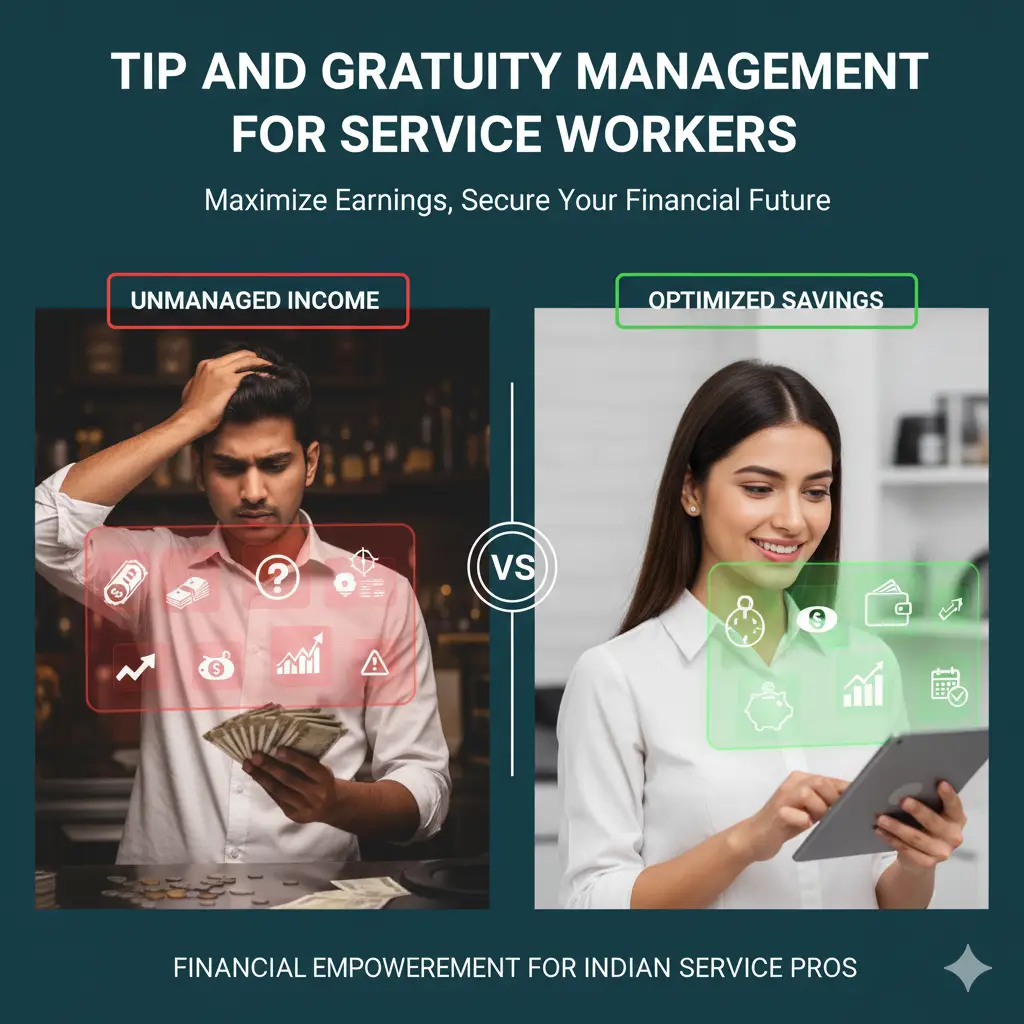
Last month, my friend Ravi, who works as a waiter in a busy Mumbai restaurant, had a bad accident on his way home. “Yaar, slip ho gaya bike, haath toot gaya,” he told me from the hospital bed. As a gig worker, his income is all from tips and salary – no work, no pay. He was worried about the bills and lost earnings. But luckily, he had a health insurance plan that covered the treatment, and he had been declaring his tip income properly in his tax returns. When he claimed, the insurer paid without hassle, and he even got some daily cash benefit to cover the no-work days. “Tip ke paise tax mein dikhaye the, ab fayda hua,” he said with a smile. Ravi’s story shows how for service staff like waiters or drivers, managing tips and gratuity isn’t just about extra cash – it’s about being smart with taxes and insurance to protect your livelihood when things go wrong.
In the gig economy, where jobs come and go like monsoon clouds, service workers like you face a unique set of challenges. The freedom is great, but the irregular income makes planning tough, especially when unexpected things like illness or accidents happen. Semantic ways to handle gig earnings mean treating tips and gratuity as part of your total pay, solving the problem of how to keep your finances steady. For waiters, delivery folks, or cab drivers, these extra bits can make up a big chunk of take-home, but many don’t know how to manage them right, leading to tax troubles or missed protections. This isn’t about fancy finance; it’s practical stuff for your daily grind, like how to declare tips without losing too much to taxes or getting insurance that fits your up-and-down pay. We’ll explore health plans that work for variable income, using LSI ideas like freelance tip management and accident claim success. With examples to show how it’s done, and how our health insurance premium calculator helps find affordable options, this guide aims to make your gig life a bit safer without the jargon.
Gig Insurance Reality Check
Over 15 million Indians in gig work face irregular income, but right insurance can cover health costs up to ₹5 lakh, saving lakhs during accidents or illness without dipping into savings.
Understanding the Gig Economy and Its Unique Risks
What Makes Gig Work Different
Gig economy is like that local market where you pick jobs as they come – flexible but unpredictable. You might have a busy month with back-to-back projects, then a slow one with little cash coming in. Semantic irregular income patterns mean planning for regular expenses like rent or groceries is tough, let alone unexpected ones like doctor visits. In daily life, it’s like relying on daily wages; one bad day, and the budget shakes. For freelancers, this variability creates gaps in financial safety, where a sudden health issue can wipe out months of earnings. Unlike salaried jobs with company insurance, gig workers are on their own, making personal coverage a must to avoid falling into debt traps.
Common Risks Faced by Gig Workers
From accidents on the road for delivery folks to stress-related health problems for desk-bound writers, risks are everywhere. Semantic occupational hazards in freelance mean things like eye strain from screens or back pain from long hours, leading to doctor bills. Then there’s the big one – no income during recovery. If you’re down with fever for a week, clients move on, and the money stops. Day to day, it’s like playing a game where one wrong move costs you, but insurance acts as a shield, covering medical costs so you can get back faster without worrying about the kharcha.
A Common Scenario in Cities
Take Mumbai’s traffic – a gig driver like my cousin faces daily risks of minor accidents. “Ek chhota sa dhakka, aur hospital ka bill hazaron mein,” he says. Without insurance, it’s savings gone; with it, you claim and move on. This solves the problem of unpredictable health hits in busy urban lives.
Why Traditional Insurance Might Not Fit
Regular plans assume steady pay, but gig pay jumps around. Semantic mismatched coverage for variable earnings means premiums might be hard to pay in lean months, or plans don’t cover lost work days. Gig workers need flexible options that let you adjust or have add-ons for income protection, linking to broader needs like financial planning for freelancers.
Essential Insurance Types for Freelancers
Health Insurance: The Basic Safety Net
Health insurance is like that umbrella you carry for sudden rain – must-have for unexpected medical needs. For gig workers, it covers hospital stays, medicines, and tests, preventing big bills from eating your earnings. Semantic comprehensive medical protection means choosing plans with cashless options at nearby hospitals, solving the issue of paying upfront when cash is tight. Premiums can be low if you pick right – use our health insurance premium calculator to see costs based on your age and needs.
Choosing the Right Health Plan
Look for ones with no co-pay or low waiting periods. Semantic tailored health coverage for irregular income means opting for monthly premiums if possible, or plans that let you pause during slow times. Interlink with family insurance planning if you have dependents.
Accident Insurance: For On-the-Go Risks
If your gig involves travel, like photography or delivery, accident insurance is key. It covers injuries, hospital stays, and even lost income during recovery. Semantic personal accident safeguard means lump sum payouts for serious cases, solving the problem of no pay when you can’t work. Low premiums make it easy – often under 500 rupees yearly for basic cover.
Ravi’s Accident Claim Story
Back to Ravi – after his bike slip, he claimed from his accident policy. “Doctor ne kaha 2 mahine rest, lekin claim se bill cover hua aur kuch extra mila,” he recalls. The payout helped with daily expenses while his arm healed, preventing him from borrowing from family. This real example shows how such insurance solves the sudden stop in gig income, letting you focus on getting better. Check similar options with term life plans that include accident riders.
Income Protection Insurance
This is like a backup battery for your phone – kicks in when main power (income) fails. For freelancers, it pays a monthly amount if illness or injury stops work. Semantic disability income replacement means covering basics like rent during downtime. Though less common in India, some plans offer it as add-ons to health insurance.
Fitting It into Variable Earnings
Choose plans based on average income, not peaks. Semantic flexible premium structures help during low months. Interlink with gig worker financial strategies for more on balancing.
Professional Liability Insurance
For creatives or consultants, this covers mistakes in work that cause client loss. Semantic error and omission protection means peace when a project goes wrong. Low cost for freelancers – often 1000-2000 yearly.
Daily Work Example
A web developer friend fixed a site but missed a bug, costing the client sales. His liability policy covered the claim, saving his reputation and wallet. This solves the fear of errors in gig jobs.
Coverage Challenges with Irregular Income
How Variable Pay Affects Premiums
Insurance companies base premiums on income, but gig pay jumps around. Semantic income variability in coverage means declaring average earnings to avoid underinsurance. During good months, pay ahead to cover lean times.
Solving Payment Issues
Opt for quarterly or monthly installments. Semantic flexible payment options keep coverage active without stress. Use health insurance premium calculator to find affordable plans.
Dealing with Gaps in Coverage
If income drops, don’t let policy lapse – talk to insurer for grace periods. Semantic continuity in protection avoids starting over with waiting periods.
Customizing for Gig Life
Add riders for outpatient or daily cash. Semantic personalized add-ons make plans fit your needs, like covering home office accidents.
Practical Steps to Get the Right Insurance
Assess Your Risks First
List daily hazards – desk job? Eye care. Field work? Accident cover. Semantic risk assessment guides choices, solving over or under coverage.
Everyday Risk Check
A delivery gig worker faces road risks, so prioritize accident plans. Interlink with credit score guide for better loan rates if needed for premiums.
Compare Plans Online
Use sites to see options from multiple companies. Semantic comparison shopping finds best deals for your budget.
Use Calculators for Premiums
Our health insurance premium calculator shows costs based on age, income – helps pick without surprises.
Read the Fine Print
Check exclusions, waiting periods. Semantic policy detail review avoids claim rejections later.
Start Small if Needed
Begin with basic health, add as income grows. Semantic gradual buildup keeps you protected without strain.
Claim Process for Gig Workers
Steps to File a Claim
Notify insurer quick, submit docs like bills, reports. Semantic smooth claim filing means faster payouts during tough times.
Ravi’s Claim Experience
Ravi submitted hospital papers online, got approval in days. “App se sab ho gaya, no running around,” he says. This solved his worry of paperwork in pain.
Tips for Successful Claims
Keep records, choose cashless networks. Semantic preparation for claims ensures money when needed.
Common Claim Mistakes
Delaying notification or missing docs – avoid by staying organized.
Government Support and Schemes for Gig Workers
Available Options
Schemes like PMJJBY offer low-cost accident cover. Semantic government-backed protection provides affordable basics.
Outward Authority Link
Check the Jan Suraksha website for details on PMJJBY and similar.
Integrating with Private Plans
Use government as base, add private for more cover. Semantic layered protection maximizes benefits.
Frequently Asked Questions
Q1: Can freelancers get health insurance with irregular income?
Yes, declare average earnings; use health insurance premium calculator to find fits.
Q2: What if I miss premiums during low months?
Choose flexible plans or pay ahead; don’t let lapse.
Q3: Is accident insurance enough?
Good start, but add health for illness coverage.
Q4: How to claim lost income?
With income protection riders, submit proof of downtime.
Wrapping Up: Securing Your Gig Life with Right Insurance
In the gig economy, where work is flexible but risks are constant, insurance is your backup plan. From health covers handling irregular pay to accident policies like Ravi’s that paid during his fall, these tools solve the worry of what-ifs. Semantic reliable financial safeguard means peace while chasing gigs. Like Amit saved time and money, you can too. Use our health insurance premium calculator to find affordable options that match your budget, tying into broader financial security for those in the gig space. Interlink with financial planning for freelancers for more on balancing. Happy gigging – stay protected!