
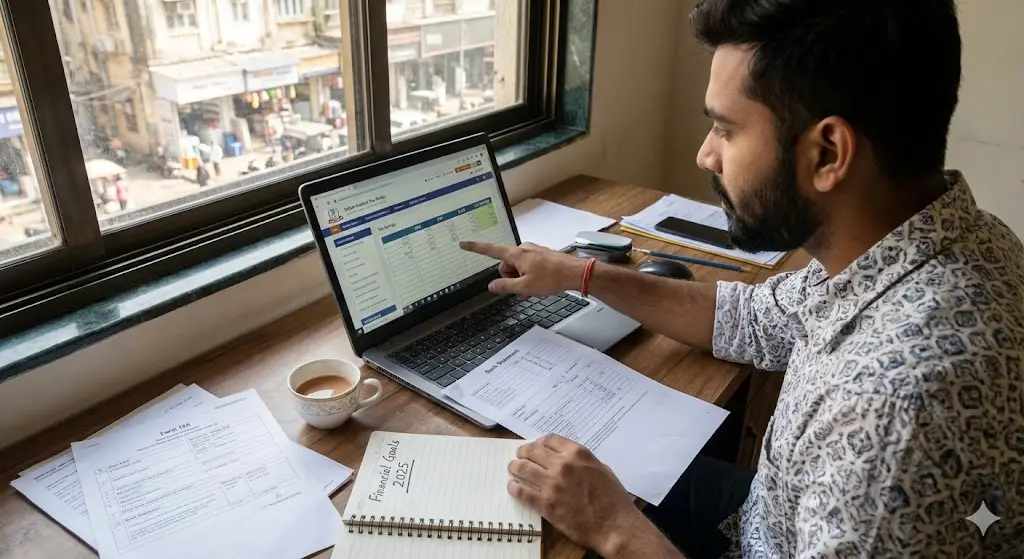
Picture this: You’re a freelance graphic designer sitting in your home office in Bangalore, wrapping up a big project for a client in Mumbai. The payment hits your account – a nice ₹50,000 after weeks of late-night work. But then comes the thought that nags at every freelancer: taxes. With no fixed salary or company deductions, it’s all on you to figure out how much to set aside. And if your months are uneven – feast in December with holiday gigs, famine in the slow summer – planning feels like chasing a moving target. I remember my friend Ravi, a content writer from Delhi, who once paid extra taxes because he didn’t know about simple investments that could cut his bill. He ended up shelling out ₹15,000 more than needed, money that could have gone into his emergency fund.
If you’re in the gig world, whether writing code, designing logos, or consulting from your laptop, taxes can eat into your hard-earned cash. But here’s the good part: there are ways to keep more in your pocket legally. We’re talking about tax-saving investments tailored for folks with irregular income like yours. Section 80C is your best buddy here, offering up to ₹1.5 lakh in deductions for things like ELSS funds that grow your money while slashing taxes. And with the gig economy booming – think millions more joining platforms like Upwork or local apps – knowing these tricks isn’t just smart; it’s essential to build real financial security.
Quick Tax Reality Check for Giggers
As a freelancer, your income is treated as business earnings, so you can deduct expenses like internet bills or home office setup. But to really save, pair that with 80C investments. Use our Freelancer Tax Calculator to see how much you could trim off your bill right away.
Understanding Taxes for Freelancers: The Basics You Need
How Your Income Gets Taxed in the Gig Game
Unlike salaried folks who get TDS cut automatically, freelancers handle everything themselves. Your total earnings minus business expenses give your taxable income. If it’s over ₹5 lakh, you pay slab rates – 5% up to ₹5 lakh, 20% up to ₹10 lakh, and 30% beyond. But with irregular flows, one big payment can push you into a higher slab, making planning crucial. Take Neha, a video editor from Chennai. Some months she earns ₹80,000, others just ₹20,000. Without tracking, she once got hit with a surprise tax notice because she didn’t account for advance tax payments quarterly.
Why Irregular Income Makes Tax Planning Trickier
When payments come in bursts, it’s hard to predict your yearly total. You might overspend in good months, leaving little for taxes. Plus, without employer perks like EPF, you miss automatic savings. But that’s where strategic investments shine – they not only reduce your tax but build a buffer for lean times. Semantic shifts like “variable earnings management” or “fluctuating revenue optimization” might sound fancy, but it’s really about picking tools that fit your cash flow, like flexible SIPs that let you pause if needed.
Presumptive Taxation: A Simple Way Out for Small Gigs
If your turnover is under ₹75 lakh (for professionals), Section 44ADA lets you declare 50% of income as profit and pay tax on that. No need for detailed books. For Ravi, this meant assuming ₹3 lakh profit on ₹6 lakh earnings, paying tax on half. But to save more, layer on 80C deductions. It’s like having a basic khata but adding smart entries to cut costs.
Section 80C: Your Main Weapon for Tax Cuts
What 80C Covers and Why It Fits Freelancers
This section lets you deduct up to ₹1.5 lakh from taxable income for certain investments and spends. For gig workers, it’s gold because you can choose options that match unpredictable cash – like one-time lumps in good months or small regular amounts. Common ones include life insurance premiums, PPF deposits, or ELSS mutual funds. The key is starting early in the year to avoid last-minute rushes when clients delay payments.
ELSS Funds: Growth Plus Tax Savings for Variable Incomes
Why ELSS Rocks for Freelancers
- Equity Boost: Linked to stocks, potential 12-15% returns over time, beating inflation.
- Short Lock-in: 3 years, shortest among 80C options, good if you need cash flexibility.
- SIP Friendly: Start with ₹500/month, perfect for uneven earnings – invest more in fat months.
- Tax Perk: Deduct investments, gains tax-free up to ₹1.25 lakh long-term.
- Best For: Young freelancers aiming for wealth while cutting current taxes.
Imagine you’re a web developer like Arjun from Pune. He puts ₹1 lakh into ELSS via SIPs spread over the year. At 30% slab, that’s ₹30,000 saved in taxes. Plus, over 5 years, his money could grow to ₹1.8 lakh at 12% average. Use our Mutual Fund Returns Calculator to project your own growth.
Handling Irregular Income with ELSS
- Go for step-up SIPs: Start low, increase as projects roll in.
- Lump sum in bonus months: If a big client pays, dump it into ELSS before March.
- Diversify funds: Mix large-cap for stability, mid-cap for higher growth if risk okay.
PPF: Safe Haven for Risk-Averse Giggers
PPF Basics for Freelancers
- Guaranteed Returns: Around 7.1% now, tax-free interest and maturity.
- Flexible Deposits: ₹500 min, up to ₹1.5 lakh/year – deposit when cash flows.
- Long Lock-in: 15 years, but partial withdrawals after 5 years for emergencies.
- Tax Triple E: Deduct, earn tax-free, withdraw tax-free.
- Best For: Freelancers wanting security over high returns.
For someone like Priya, a translator with patchy income, PPF is ideal. She deposits ₹10,000 whenever a project ends. In a year, ₹1 lakh deducted saves her ₹20,000 at 20% slab. Over time, it builds a solid nest egg. Check growth with PPF Calculator.
PPF Strategies for Uneven Cash
Lump deposits mid-year when busy, or small ones monthly. Avoid maxing early if income dips later. It’s like a reliable fixed deposit but with better tax perks.
NPS: Extra ₹50,000 Deduction for Long-Term Planning
NPS Advantages for Gig Workers
- Bonus Deduction: ₹50,000 extra under 80CCD(1B) beyond 80C.
- Market-Linked: Choose equity/debt mix, potential 8-12% returns.
- Retirement Focus: Partial withdrawal at 60, rest annuity for pension.
- Flexible: Contribute any amount, no min for self-employed.
- Best For: Freelancers thinking ahead to retirement without company pension.
Sanjay, a photographer, puts ₹50,000 into NPS yearly. At 30% tax, saves ₹15,000 extra. Combined with 80C, total savings ₹60,000. Use NPS Calculator to see your pension buildup.
NPS for Irregular Earnings
Contribute in lumps when payments come. Opt for auto-choice for hands-off management. It’s great for building a retirement corpus while getting that unique tax edge.
Life Insurance: Protection with Savings
Insurance Options Under 80C
- Term Plans: Pure protection, premiums deductible.
- ULIPs: Mix insurance and investment, but watch fees.
- Endowment: Savings with cover, lower returns.
- Tax Save: Deduct premiums up to ₹1.5 lakh.
- Best For: Freelancers needing family security.
For Meera, a consultant, a ₹50 lakh term plan costs ₹10,000 yearly premium, saving ₹3,000 in taxes. Add ULIP for growth. Compare with Term Insurance Premium Calculator.
Other 80C Gems: NSC, Tax-Saving FDs, Sukanya Samriddhi
NSC: 5-year lock, ~7% interest, good for short horizons. FDs: Bank tax-savers, 5-year, fixed returns for safety. Sukanya: For girl child, 7.6%, long-term but high returns. These suit if you want low-risk, but returns lag equity.
| Investment | Returns | Lock-in | Risk | Fit for Irregular Income |
|---|---|---|---|---|
| ELSS | 12-15% | 3 years | Medium-High | High (SIPs flexible) |
| PPF | 7.1% | 15 years | Low | Medium (Lump deposits ok) |
| NPS | 8-12% | Till 60 | Medium | High (Any time contributions) |
| Term Insurance | N/A (Protection) | None | Low | High (Annual premium) |
| NSC/FD | 6-7% | 5 years | Low | Medium |
Beyond 80C: More Ways to Trim Your Tax Bill
Business Expenses: Deduct What You Spend
As a freelancer, claim home office rent (proportionate), laptop depreciation, software subscriptions, travel for clients. Keep bills – they reduce taxable income before deductions. For example, if you spend ₹50,000 on marketing tools, that’s straight off your earnings.
Health Insurance: 80D for Family Cover
Up to ₹25,000 for self/family, extra ₹25,000 for parents. For giggers without group plans, this is key. Saves ₹7,500 at 30% slab. Calculate premiums with Health Insurance Premium Calculator.
Home Loan Interest: 80EEA for First-Timers
If you bought a house, deduct up to ₹1.5 lakh interest beyond 24(b). Great if freelancing from home.
Education Loan: 80E Unlimited Interest
If upskilling with a course, deduct full interest paid.
Example: How Ravi Saved ₹20,000 in Taxes
Ravi earns ₹8 lakh yearly from writing gigs – some months ₹1 lakh, others ₹30,000. Taxable after expenses: ₹6 lakh. At 20% average slab, tax ~₹60,000.
- Invests ₹1 lakh in ELSS: Deducts, saves ₹20,000 (20% slab).
- Adds ₹50,000 NPS: Extra ₹10,000 saved.
- Health premium ₹20,000: Another ₹4,000 off.
- Total savings: ₹34,000, but focus on 80C part for ₹20,000.
He used SIPs for ELSS, depositing extra in good months. Now, his money grows while tax shrinks. Simulate yours with Old vs New Tax Regime Calculator.
Ravi’s Tax Breakdown
Before: ₹60,000 tax. After 80C ₹1 lakh: Taxable ₹5 lakh, tax ₹40,000 – net save ₹20,000. Simple math that adds up big.
Strategies for Irregular Income: Making It Work
Budgeting Your Variable Earnings
Set aside 20-30% of every payment for taxes/investments. Use apps to track inflows, plan quarterly advance tax to avoid interest.
Choosing Flexible Investments
Prioritize no-minimum options like ELSS SIPs or NPS. Avoid locked ones if cash tight.
Old vs New Regime: Pick Wisely
New regime has lower rates but no 80C. For freelancers with deductions, old often better. Compare with calculator.
Advance Tax and TDS Management
Pay quarterly if liability over ₹10,000. For foreign clients, no TDS, so plan extra.
Common Mistakes Freelancers Make and How to Avoid
Mistake 1: Ignoring Business Deductions
Track every expense – coffee with clients, phone bills. Use software for easy ITR.
Mistake 2: Last-Minute Investments
Start April, use SIPs to spread.
Mistake 3: Not Diversifying
Mix ELSS for growth, PPF for safety.
Mistake 4: Forgetting NPS Extra
Always max 80CCD(1B) for bonus save.
Watch Out for Penalties
Late advance tax? 1% monthly interest. Under-report? Up to 50% penalty. Stay compliant.
Tools and Resources for Easy Management
Use Freelancer Tax Calculator for estimates. Track with Goal-Based Financial Planner. For overall, Tax Saving Portfolio Planner.
Frequently Asked Questions
Q1: Can freelancers claim 80C without regular salary?
Yes, as long as you invest in eligible options.
Q2: What’s best for low-risk?
PPF or tax-saving FDs.
Q3: How to handle foreign income?
Report as business, claim DTAA benefits.
Q4: Is new regime better?
If few deductions, yes; else old.
Wrapping Up: Take Control of Your Taxes Today
As a freelancer, your freedom comes with responsibility, especially taxes. But with 80C tools like ELSS for growth or PPF for safety, you can save big while building wealth. Like Ravi saving ₹20,000, small steps add up. Start planning now – your future self will thank you. For more, check Freelancer Gig Worker Guide or official Income Tax India site.
Action Step: Plug your numbers into Freelancer Tax Calculator and see savings. Explore all at All Calculators.