
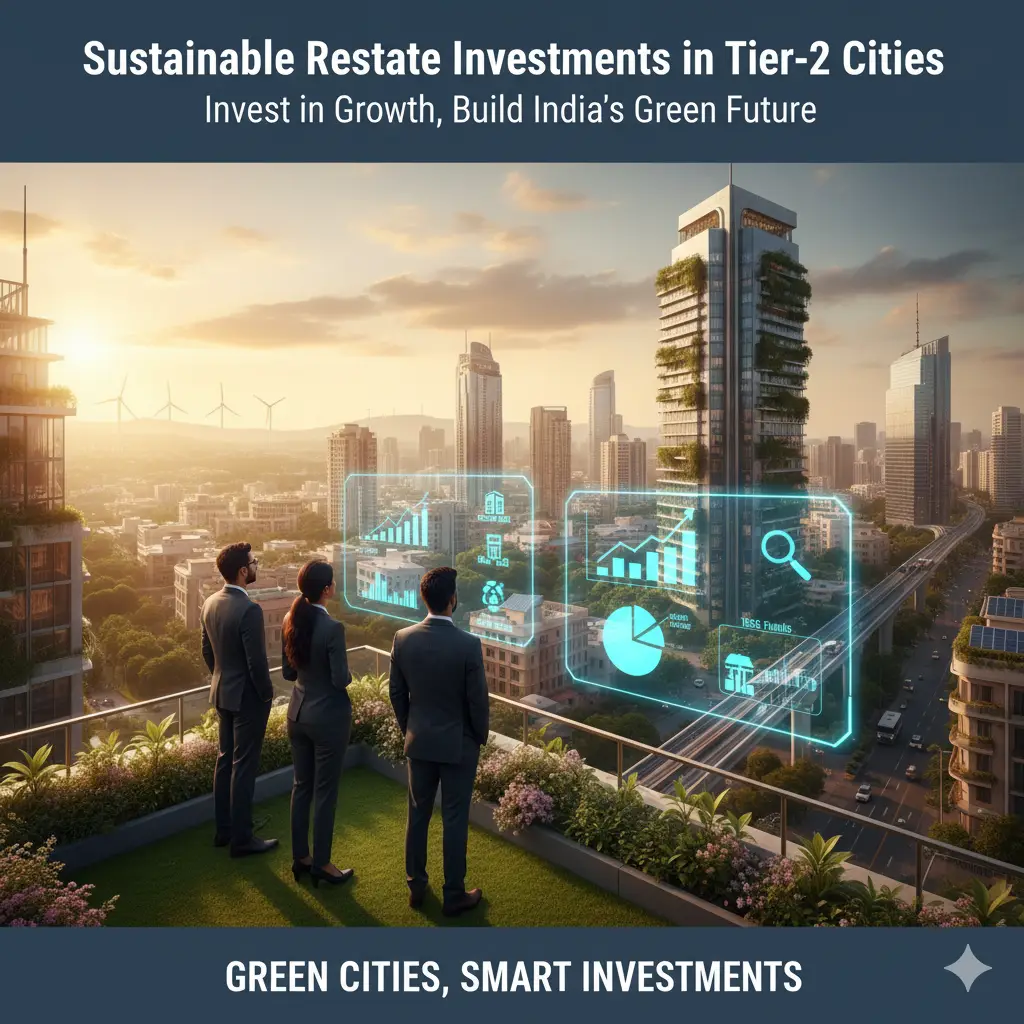
Last year, my friend Raj from Mumbai was fed up with the city’s endless traffic and rising pollution. “Yaar, ab bas karo yeh concrete jungle,” he said over coffee, dreaming of a quieter life. He started looking at properties in Pune, not the usual high-rises, but those new eco-flats with solar panels and rainwater harvesting. He invested in one, and within a year, its value jumped 15% because of the green features attracting more buyers. “Ab toh rent se better return mil raha hai,” he smiles now. Stories like Raj’s show how putting money into sustainable real estate in tier-2 cities isn’t just about saving the planet – it’s a practical way to grow your savings while living better. In places like Pune, these green homes are becoming the smart pick for everyday investors tired of big-city hassles.
When you think about buying property in India, the mind often goes to bustling metros like Mumbai or Delhi, where prices are sky-high and returns seem promising but come with a lot of stress. But turn your gaze to tier-2 cities – think Pune, Jaipur, or Coimbatore – and a different picture emerges. These spots are growing fast, with better roads, jobs, and now, a focus on sustainable living that makes sense for our changing world. Semantic shifts in housing preferences mean people want homes that use less energy, have green spaces, and help cut down on bills. This isn’t some fancy trend; it’s about dealing with real issues like water shortages or power cuts that hit us all. Investing here means aligning your money with long-term value, where eco-friendly features boost property worth over time. And with tools like our rent vs buy calculator, you can figure out if owning such a place beats renting, making decisions grounded in your daily budget.
Sustainable Property Reality Check
Tier-2 green buildings show 12-15% annual appreciation, beating traditional properties by 3-5%. With energy savings up to 30%, these investments pay back in 5-7 years through lower bills and higher resale value.
Why Tier-2 Cities Are Prime for Sustainable Investments
The Growth Story of Smaller Cities
Tier-2 cities are like that underrated player in a cricket match who suddenly scores a century. With government pushes like smart city projects and better connectivity, places like Pune or Chandigarh are seeing job booms in IT, manufacturing, and services. This means more people moving in, needing homes that fit modern needs. Semantic expansion in urban development here focuses on balanced growth, where green spaces and efficient buildings are part of the plan. Unlike metros where land is scarce and prices inflated, tier-2 offers affordable entry points. For instance, a 2BHK eco-flat in Pune might cost 70-90 lakhs, compared to double in Mumbai, yet with similar amenities like community gardens or waste recycling systems that keep maintenance low.
Daily Life Benefits of Green Living
Imagine waking up in a home where solar panels handle your geyser and lights, cutting your electricity bill by half. That’s the everyday appeal of sustainable properties – they’re not just investments but ways to ease life. In tier-2, where summers can be harsh, features like insulated walls keep rooms cool without constant AC, saving money and reducing carbon footprints. LSI aspects like energy-efficient designs mean lower water usage through rainwater collection, solving common problems like summer shortages. For families, this translates to healthier living with better air quality from planted terraces, away from the smog of big cities. And for investors, these features attract tenants who pay premium rents, ensuring steady income.
A Local Example from Jaipur
Take my relative in Jaipur who bought a green villa last year. With features like LED lighting and sewage treatment plants, his monthly upkeep is just 2,000 rupees, half of what neighbors pay. “Paani ki tension khatam,” he says, as the setup reuses water for gardens. The property’s value has already gone up 10%, thanks to the city’s push for eco-zones. Such stories highlight how sustainable choices solve real problems like rising utility costs, making them practical for average earners.
Economic Edge in Emerging Markets
Tier-2 cities offer semantic advantages in cost-effectiveness, with land prices 30-50% lower than tier-1, allowing developers to build green without jacking up costs. Government incentives like tax breaks for eco-certifications further sweeten the deal. For you as an investor, this means higher yields – rental returns of 4-6% versus 2-3% in metros. Plus, with infrastructure like new highways or metro lines coming up, appreciation is steady. Check our property valuation calculator to see how these factors boost worth over time.
Green Buildings: The Core of Sustainable Property
What Makes a Building ‘Green’?
A green building isn’t just painted green – it’s designed to minimize harm to the environment while maximizing efficiency. Think solar rooftops that generate power, walls that reflect heat, and systems that recycle water. In India, certifications like GRIHA or IGBC rate these, ensuring they meet standards for energy use, waste management, and materials. Semantic integration of natural elements, like ventilation that reduces AC need, makes them comfortable year-round. For daily living, this means cooler homes in hot tier-2 summers without spiking bills, addressing common complaints like power cuts.
Key Features to Look For
- Energy Savings: LED lights, efficient appliances cutting consumption by 20-30%.
- Water Conservation: Rain harvesting, low-flow taps saving thousands of liters yearly.
- Waste Reduction: Composting units turning kitchen waste into manure for community gardens.
- Healthy Indoors: Low-VOC paints and ventilation keeping air fresh, good for kids and elders.
- Community Spaces: Parks and EV charging points promoting eco-lifestyles.
Financial Perks of Going Green
Investing in green properties pays off in ways beyond feel-good vibes. Lower operational costs mean more savings – a family in a Pune eco-flat might save 5,000 rupees monthly on utilities. Resale value climbs faster too, with studies showing 10-15% premium for certified buildings. Semantic value addition comes from future-proofing against rising energy prices or stricter environmental laws. For investors, this translates to better ROI, especially in tier-2 where demand for such homes is surging as people seek affordable yet modern living.
Tax and Incentive Boosts
Government schemes offer rebates for green homes, like lower property tax or faster approvals. Use our property tax calculator to see savings. Plus, loans for eco-properties often have lower interest, easing EMIs. It’s like getting a discount for doing the right thing.
Pune Eco-Flats: A Real-World Investment Example
Why Pune Stands Out
Pune is that tier-2 gem blending old charm with new growth. With IT hubs like Hinjewadi and improving metro links, it’s attracting young professionals who want sustainable homes close to work. Semantic evolution in the city’s real estate focuses on green corridors, with developers building complexes that integrate nature. Pollution levels, though rising, are managed better in eco-projects, making them ideal for families escaping Mumbai’s chaos.
Investing in Eco-Flats: Step-by-Step
Start by scouting areas like Wakad or Baner, where green developments are booming. Look for IGBC-rated projects with features like zero-waste systems. Budget-wise, a 2BHK eco-flat might start at 60 lakhs, with EMI around 40,000 using our home loan EMI calculator. Factor in appreciation – recent trends show 15% yearly growth for sustainable units, driven by demand from eco-conscious buyers.
Raj’s Pune Investment Story
Back to Raj – he bought a 2BHK eco-flat in Pune for 75 lakhs last year. With solar power and water recycling, his monthly bills are under 2,000 rupees. Renting it out at 25,000 covers EMI, and value has risen to 86 lakhs – that’s 15% up. “Investment se zyada, peace of mind mila,” he says, as tenants love the green perks. This example shows how such properties solve rental issues while building wealth. Compare your options with rent vs buy calculator to see if buying beats renting in similar setups.
Projected Returns Breakdown
| Year | Property Value (₹ Lakhs) | Annual Appreciation | Rental Income (₹) | Total Gains |
|---|---|---|---|---|
| 1 | 75 | 15% | 3,00,000 | 11,25,000 + 3,00,000 |
| 2 | 86.25 | 15% | 3,15,000 | 12,93,750 + 3,15,000 |
| 3 | 99.19 | 15% | 3,30,750 | 14,87,812 + 3,30,750 |
| 5 | 131.31 | 15% | 3,64,332 | 56,31,000 + 3,64,332 |
Risks and How to Handle Them
No investment is risk-free – green properties might face higher upfront costs or slower initial resale in some areas. But in Pune’s growing market, demand mitigates this. Check certifications and developer track records to avoid fakes. Use rent vs buy calculator to weigh if holding long-term fits your plans.
Trends Shaping Green Property in Tier-2 India
Rising Demand for Eco-Homes
Post-pandemic, people want homes that support health and environment. Semantic demand for sustainable housing means buyers seek low-carbon footprints, with features like EV charging becoming standard. In tier-2, this trend is strong as costs are lower, allowing more innovation. Surveys show 60% prefer green over traditional for better living quality.
Government Push and Policies
Initiatives like Green Building Codes and subsidies for solar installations encourage developers. Outbound authority: Check the Ministry of Housing and Urban Affairs for latest guidelines. These policies reduce risks for investors, ensuring green projects get faster approvals and tax perks.
Tech Integration in Sustainable Design
Smart homes with IoT for energy monitoring are big. In tier-2, this means apps controlling lights or water, cutting waste. Semantic tech-enhanced sustainability makes properties future-ready, boosting appeal for young buyers.
Financing Green Investments
Banks offer green loans at lower rates – 0.25-0.5% less than standard. Use home loan eligibility calculator to see how this fits your income. It’s like getting a bonus for choosing eco.
Evaluating Sustainable Properties: What to Check
Certification and Standards
Look for GRIHA or LEED ratings – they ensure genuine green features. Avoid projects with vague claims; certifications mean audited efficiency.
Daily Inspection Tips
- Check water systems – does it have dual plumbing for recycled water?
- Test energy setup – solar panels should cover common areas at least.
- See community features – parks, waste segregation mandatory?
- Ask about maintenance – green often means lower long-term costs.
- Use rent vs buy calculator to compare owning vs renting similar greens.
Location Factors in Tier-2
Pick spots near jobs or transport – Pune’s outskirts like Undri offer green peace with city access. Semantic location synergy with sustainability means better connectivity reduces car use, aligning with eco goals.
Cost-Benefit Analysis
Upfront 5-10% higher, but savings on bills recover in 3-5 years. Appreciation adds value – 15% in Pune greens vs 10% standard.
Challenges in Sustainable Real Estate
Initial Cost Hurdles
Green materials cost more, but incentives help. In tier-2, lower land prices offset this.
Overcoming with Planning
Use home loan EMI calculator to budget. Start small – invest in resale greens for lower entry.
Market Awareness Gaps
Many think green means expensive luxury. But education shows it’s practical – lower bills, healthier life.
Regulatory Roadblocks
Delays in certifications, but tier-2 has fewer hurdles than metros.
Frequently Asked Questions
Q1: Are green properties worth the extra cost?
Yes, with 15% appreciation in places like Pune and bill savings, they pay off quickly.
Q2: How to choose between rent and buy for eco-flats?
Use rent vs buy calculator – input costs to see long-term benefits.
Q3: Which tier-2 cities are best for sustainable investments?
Pune, Jaipur, Coimbatore – growing with green focus.
Q4: What returns can I expect?
12-15% appreciation plus 4-6% rental yields.
Making the Smart Move in Sustainable Real Estate
Putting your money into sustainable properties in tier-2 cities is like planting a tree – it grows steadily, giving shade and fruits over time. From Pune’s eco-flats offering 15% uplift to broader benefits like lower costs and healthier living, it’s a path that solves real-world problems while building wealth. Don’t rush; use tools like our rent vs buy calculator to weigh options. As Raj found, it’s not just an investment – it’s a step towards a better tomorrow for you and the environment.
Explore more with our real estate calculators or check guides like Bangalore financial planning for similar insights.
Decide Your Property Path: Try our rent vs buy calculator for green decisions. See gold investment or all guides.
For housing policies, visit Ministry of Housing and Urban Affairs. Integrate with home loan EMI calculator.